
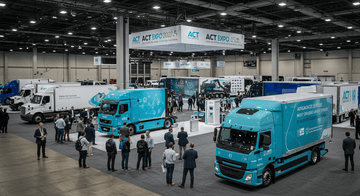
ACT Expo 2025: Advancements and Challenges in Clean Trucking
The ACT Expo 2025, a premier event dedicated to advancing clean transportation, showcased a remarkable mix of innovation and ongoing challenges in the clean trucking sector. While the expo highlighted significant technological advancements and collaborations aimed at reducing emissions, it also exposed the hurdles that manufacturers and policymakers face in achieving a sustainable future for electric and hydrogen-powered trucks.
Innovative Technologies on Display
This year's expo featured numerous cutting-edge technologies designed to enhance the efficiency and sustainability of commercial trucking. Among the key attractions were electric trucks equipped with state-of-the-art battery systems, hydrogen fuel cell vehicles, and advanced charging infrastructure that promises to reduce downtime significantly.
One standout exhibit was from Tesla, which unveiled its latest advancements in the Tesla Semi. With a focus on long-range capabilities and reduced operational costs, the Tesla Semi aims to transform the trucking industry by making electric transport more viable for long-haul logistics. According to a Tesla representative, “The Tesla Semi not only offers unparalleled efficiency but also contributes significantly towards our goal of zero emissions in freight transport.”
Hydrogen Fuel Cells: The Other Contender
While battery electric vehicles (BEVs) dominated the discussions, hydrogen fuel cell technology also received considerable attention. Companies like Nikola and Daimler showcased their latest hydrogen-powered models, emphasizing the fuel cell's potential to overcome some limitations of battery electric vehicles, particularly in terms of range and refueling times.
“Hydrogen fuel cells can deliver a quick refueling experience comparable to traditional diesel trucks,” stated an industry expert at the event. This perspective highlights the ongoing debate within the industry regarding the best pathway forward for achieving zero-emissions goals.
Addressing Infrastructure Challenges
Despite the excitement surrounding new technologies, the ACT Expo also underscored significant challenges in infrastructure development. Many exhibitors pointed to the urgent need for comprehensive charging and refueling networks to support the growing number of electric and hydrogen trucks on the road.
“We cannot expect companies to transition to cleaner fleets without the necessary infrastructure in place,” remarked a representative from the California Energy Commission. Key discussions revolved around federal and state initiatives to accelerate the development of this critical infrastructure, which remains a major barrier to widespread adoption.
The Role of Policy in Transitioning to Clean Trucks
Government policies play a crucial role in shaping the future of clean trucking. At the expo, various sessions focused on how regulations and incentives can facilitate the transition to electric and hydrogen-powered vehicles. Many industry leaders called for stronger support from the government to encourage fleet owners to invest in cleaner technologies.
One panel discussion emphasized the importance of federal tax credits and grants that could help offset the upfront costs associated with purchasing electric and hydrogen trucks. “Policy is the backbone of our transition strategy. Without it, progress will be slow and fragmented,” noted an advocate for sustainable transportation.
Future Prospects and Industry Collaboration
The future of clean trucking appears promising, but significant work remains to be done. Collaboration among automakers, technology providers, and government entities will be essential to navigate the complexities of this transition. The expo served not only as a platform for showcasing innovations but also as a forum for stakeholders to forge partnerships and discuss best practices.
As we move towards a more sustainable future, events like ACT Expo will continue to be vital in pushing the boundaries of what’s possible in clean transportation. The momentum generated at this year’s expo suggests that while the journey may be challenging, the collective efforts of the industry could lead to substantial advancements in the coming years.
Conclusion: A Step Towards Sustainability
In conclusion, ACT Expo 2025 illustrated both the exciting advancements in clean trucking technology and the significant challenges that lie ahead. As the industry grapples with issues related to infrastructure, policy, and technology, it is clear that a collaborative approach will be essential for overcoming these hurdles. The future of trucking is electric and hydrogen-powered, and with continued innovation and commitment, the industry is poised to make significant strides towards a cleaner, more sustainable future.


